Sheesham vs Acacia Wood: Which One is Better for Furniture?
Sheesham vs acacia wood for furniture: compare durability, grain, price and care to choose the right solid wood. Factory-direct guide.
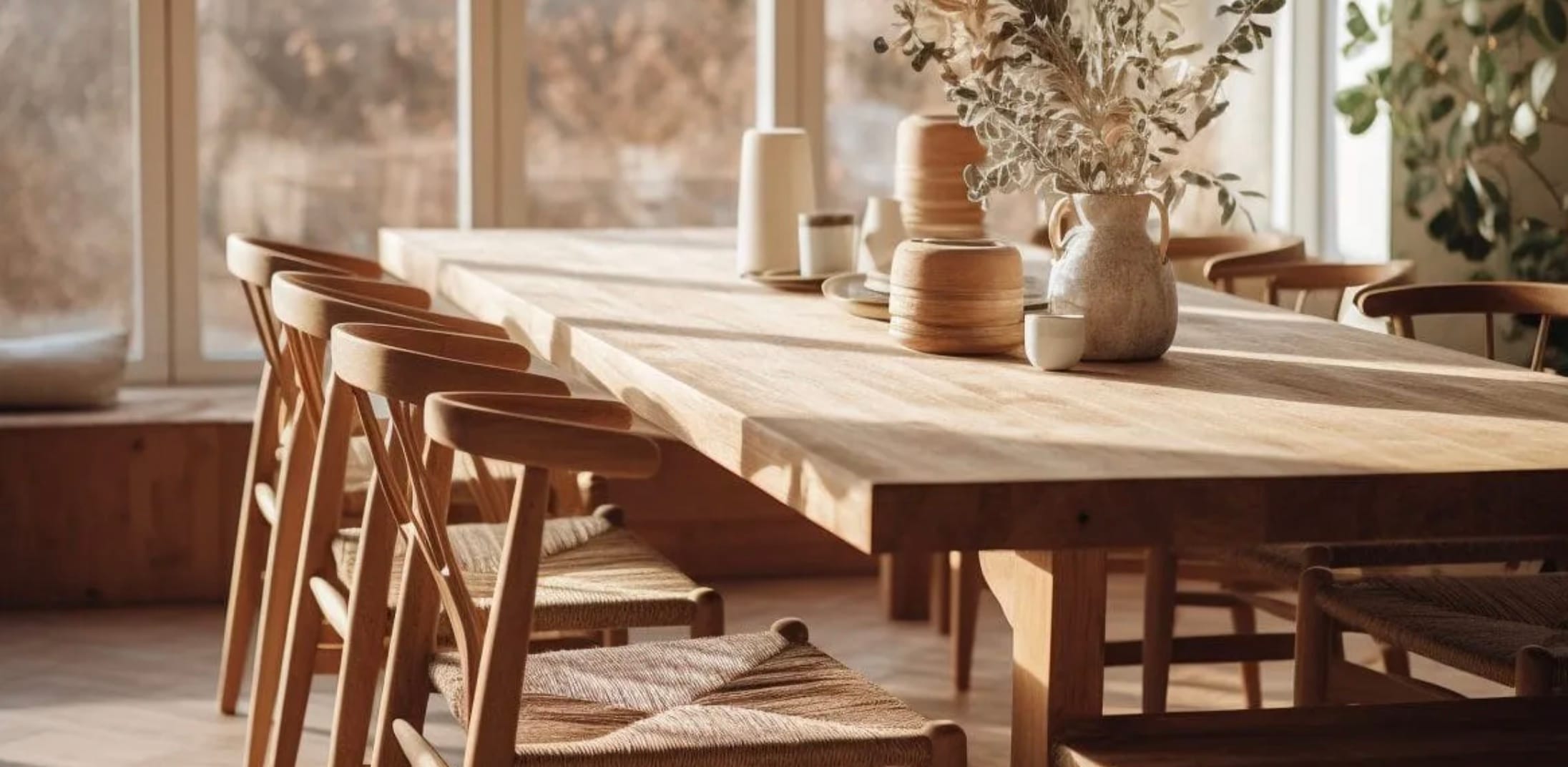
Sheesham (Indian Rosewood) is one of the most premium hardwoods used in Indian furniture manufacturing.
Key Features:
- Rich grain patterns (dark streaks, natural variation)
- Naturally termite-resistant
- Very strong and durable
- Ideal for long-lasting furniture
Best for:
- Dining tables
- Beds
- High-end furniture
- Export-quality pieces
👉 If your client wants a premium, luxury feel, Sheesham is always a strong choice.
Acacia is also a hardwood but slightly more versatile and cost-effective compared to Sheesham.
Key Features:
- Smooth grain (more uniform look)
- Strong and durable
- More affordable than Sheesham
- Works well in modern finishes
Best for:
- Coffee tables
- Sideboards
- Budget-friendly projects
- Modern furniture designs
👉 If your client wants clean design + better pricing, Acacia works perfectly.
⚖️ Sheesham vs Acacia – Quick Comparison
| FeatureSheesham WoodAcacia Wood | Look | Rich, bold grain | Smooth, subtle grain | Durability | Very high | High | Cost | Premium | More affordable | Finish | Natural / dark polish | Works in all finishes | Usage | Luxury furniture | Modern / budget furniture |
💡 Which One Should You Choose?
- Go with Sheesham → if your project is premium, export-focused, or statement furniture
- Go with Acacia → if you want cost efficiency with good durability
👉 In many projects, we actually use both—depending on the design and client budget.
🪵 Our Recommendation (From Factory Experience)
At Furniture From Factory (FFF), we usually suggest:
- Sheesham → for beds, dining, heavy-use furniture
- Acacia → for side tables, consoles, and modern pieces
This way, you balance cost + durability + design.
📦 Final Thoughts
Both woods are excellent—it’s not about which is better, it’s about what fits your project.
If you're working on a custom furniture project, choosing the right wood can directly impact:
- Final cost
- Design outcome
- Longevity